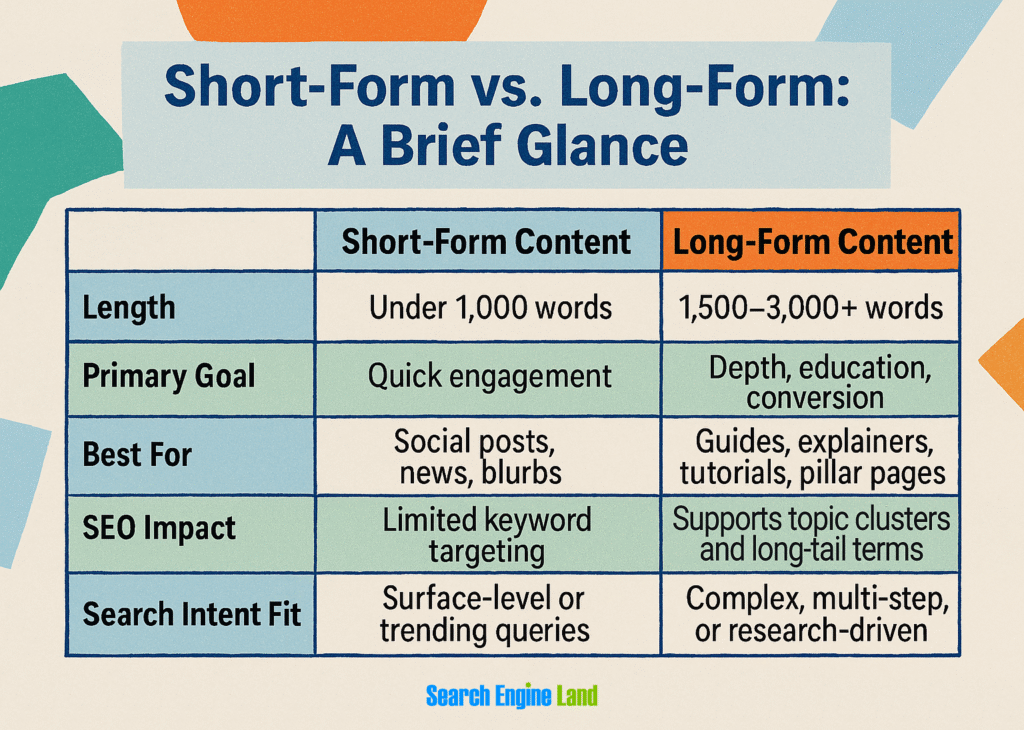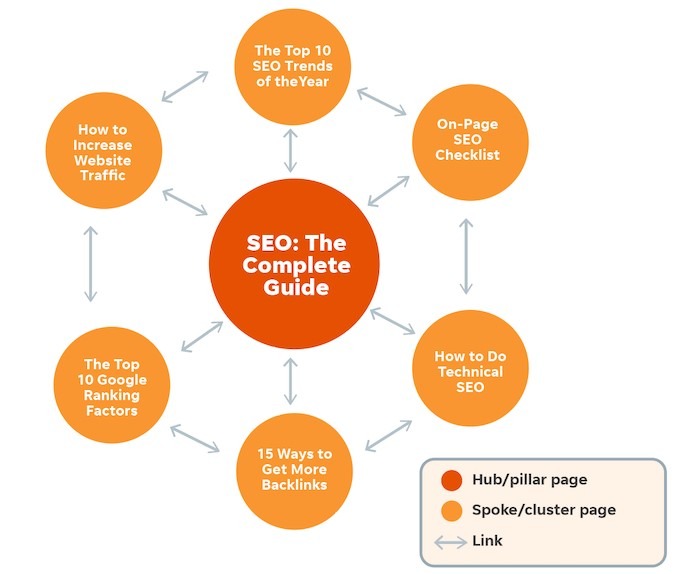

Search behavior has quietly changed. Users no longer search like machines. They ask, explain, compare and decide in full sentences. This is where E- conversational queries SEO becomes one of the most underutilized growth levers for brands and agencies heading into 2026.
While most businesses still chase high-volume keywords, search engines are increasingly rewarding specific, intent-rich, conversational queries that reflect how people actually speak. This shift is driven by voice assistants, AI-powered search interfaces and mobile-first behavior, especially in India.
For writing agencies, this presents a powerful opportunity to deliver results that competitors are still missing.
Why Long-Tail Conversational Queries Matter Now
Conversational queries are longer, clearer and far more revealing than traditional keyword searches. Instead of typing “best CRM,” users now ask:
“Which CRM works best for Indian startups with small sales teams?”
These searches may show lower volume, but they deliver:
- Higher conversion intent
- Clearer decision context
- Lower competition
- Better alignment with AI-driven search results
What most people do not realize is this: AI search systems heavily favor clarity over popularity. A well-answered conversational query can outperform a high-volume keyword in both visibility and impact.
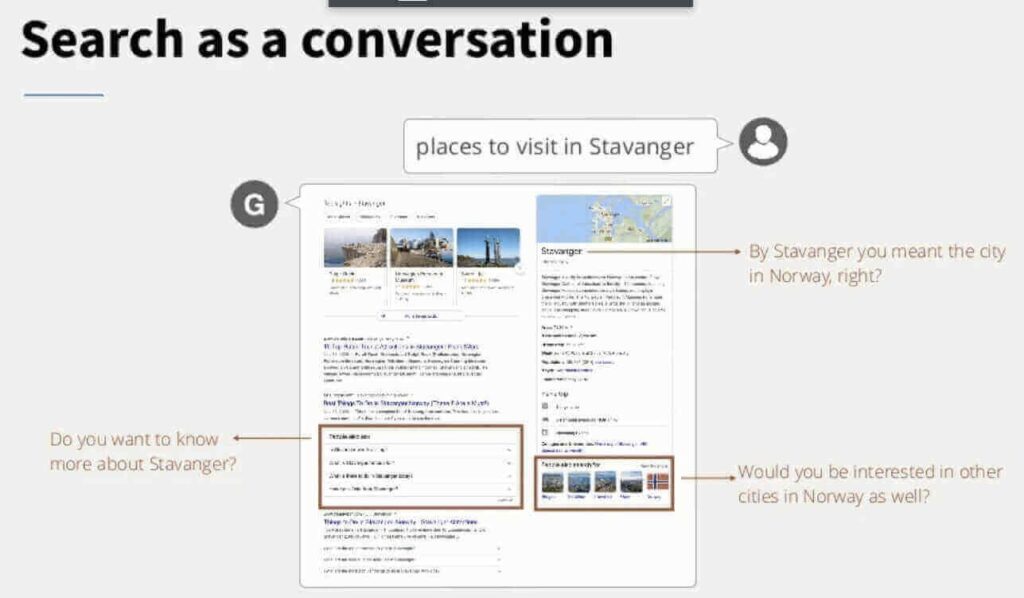

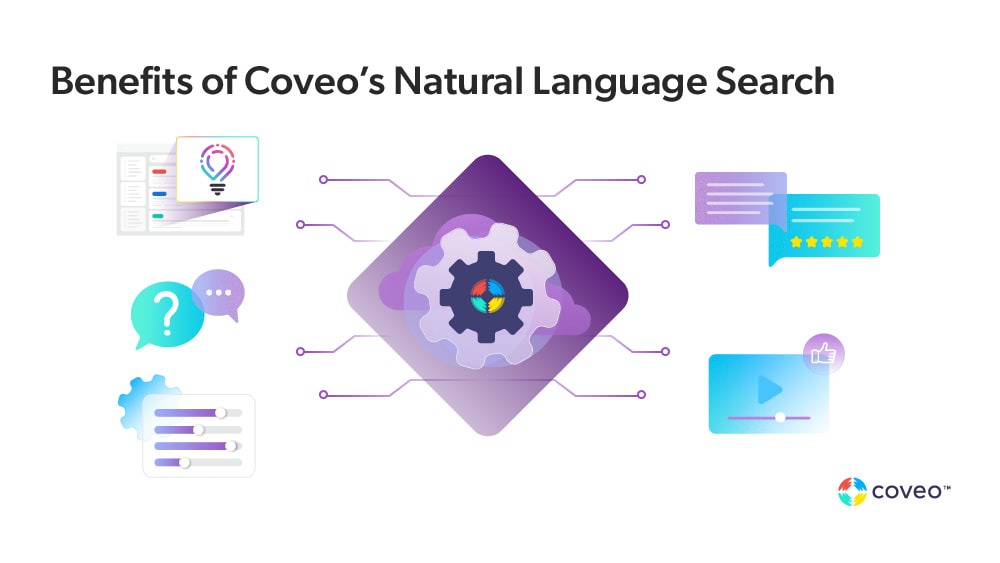
Query Patterns Defining Conversational Search in 2026
Understanding query patterns is critical to optimizing for conversational SEO.
1. Problem-First Queries
Users describe their situation before asking for a solution.
Example pattern:
“I am a small business owner in Delhi and need help with…”
These queries signal urgency and readiness to act.
2. Comparison-Based Questions
Searchers want help choosing, not browsing.
Examples include:
“Which option is better for…”
“What should I choose if…”
AI systems often surface content that takes a clear stance.
3. Contextual and Localized Queries
Especially strong in India, where location, language and pricing matter.
Example:
“Affordable digital marketing agency for startups in Bangalore”
4. Follow-Up Queries
Users ask sequential questions, building context.
This favors content that anticipates the next question instead of stopping at a generic answer.
Advanced insight most people miss:
Conversational queries are decision journeys, not standalone searches. Content that addresses only one step loses visibility over time.
Why Conversational Queries Are Winning in Indian Search
India’s search ecosystem amplifies conversational behavior due to:
- Voice and mobile-first usage
- Vernacular and mixed-language searches
- Trust in recommendations over exploration
Users often speak searches in a mix of English and local language, then refine them conversationally. Search engines are now capable of understanding this blended intent.
Brands that rely only on short keywords fail to capture these nuanced searches.
Natural Language Keywords vs Traditional Keywords
Natural language keywords differ in three ways:
- They reflect spoken structure
- They include qualifiers like “for me,” “near me,” or “best option if”
- They imply intent without ambiguity
In 2026, search engines will increasingly map these phrases to intent clusters, not exact matches.
This means content must:
- Answer clearly
- Use natural phrasing
- Avoid over-optimization
Human clarity beats keyword density.
Research Methods to Discover Conversational Queries
Most brands fail at conversational SEO because they rely only on keyword tools. Real insight comes from deeper research.
1. Sales and Support Conversations
Emails, WhatsApp chats and call transcripts reveal how people actually phrase problems.
2. On-Site Search Data
Internal search bars show real user language that never appears in keyword tools.
3. AI-Assisted Query Expansion
Use AI tools to reframe core topics into question-based and spoken formats, then validate with real user behavior.
4. Community and Forum Mining
Platforms like LinkedIn comments, Quora and niche communities expose unfiltered conversational language.
New insight agencies can use:
The best-performing conversational queries often do not appear in keyword databases until after they start driving traffic.
Case Study: Indian B2B Service Brand
A Mumbai-based consulting firm shifted its content strategy from generic service pages to conversational, question-led content.
They focused on:
- One problem per page
- Clear recommendations
- Local and industry-specific context
Within four months, inbound leads increased despite no major change in classic keyword rankings. The traffic came from long-tail conversational searches that competitors had ignored.
Why This Matters for Writing and SEO Agencies
Clients are struggling with declining blog ROI. Conversational SEO offers a clear upgrade.
For agencies, this means:
- Fewer pages, higher impact
- Easier conversion attribution
- Strong differentiation from generic content providers
You are not selling blogs. You are selling decision visibility.
This shift allows agencies to move from content execution to search strategy ownership.
Conclusion
By 2026, long-tail conversational queries will shape how brands are discovered, compared and chosen. Search engines are optimizing for how humans speak, not how marketers keyword-stuff.
Agencies that master E- conversational queries SEO will help clients win high-intent visibility while competitors chase volume that no longer converts.
This is one of the rare SEO shifts where human writing, real research and clarity outperform automation.
FAQs
1. What are long-tail conversational queries
They are detailed, natural-language searches that reflect how people speak and explain their needs.
2. How do conversational queries impact SEO
They improve relevance, conversions and AI search visibility while facing lower competition.
3. Are conversational queries important for Indian brands
Yes. Mobile usage, voice search and localized intent make them especially powerful in India.
4. How can agencies find conversational keywords
By analyzing sales conversations, on-site searches, community discussions and AI-assisted research.5. Do conversational queries replace traditional SEO
No. They complement it by capturing high-intent searches that short keywords miss.