
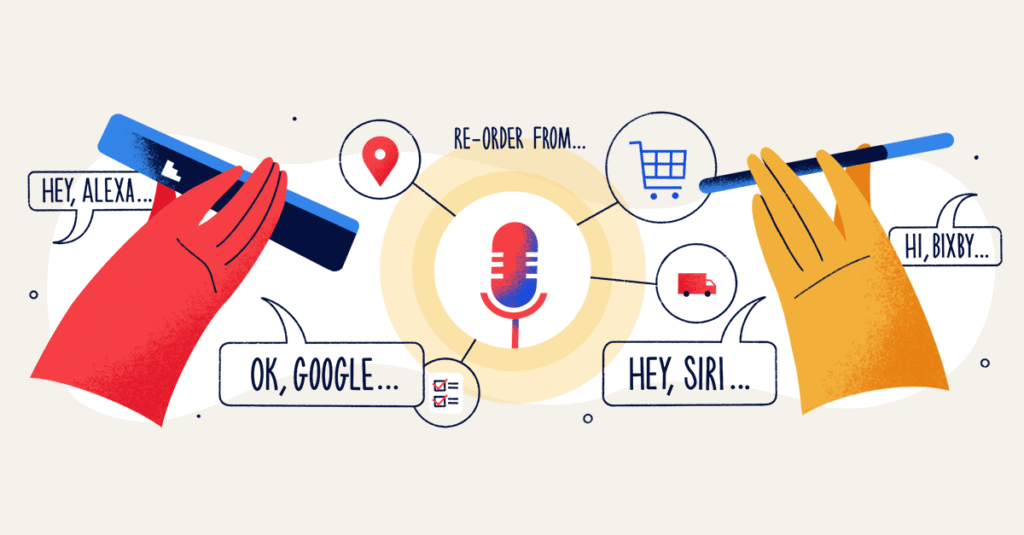
Voice search is no longer a novelty feature. By 2026, e-voice search trends will reshape how users discover brands, compare services and complete purchases. What began as simple commands like “call a cab” has evolved into intent-rich, conversational discovery, especially in mobile-first markets like India.
For businesses and content agencies, voice search is not just an SEO add-on. It is a behavioral shift that affects visibility, conversions and client expectations.
Market Overview: Where Voice Search Is Headed
Voice search adoption is accelerating due to three overlapping forces:
- Widespread use of smartphones and smart devices
- Rapid improvements in natural language understanding
- Growth of vernacular and conversational queries
In India, voice search usage is driven by ease, speed and language flexibility. Users are increasingly comfortable asking full questions instead of typing fragmented keywords.
What most people miss is this shift:
Voice search is moving from searching for information to delegating decisions. Users expect assistants to shortlist, recommend and even complete actions.
This evolution is laying the foundation for voice-led commerce and zero-screen interactions.
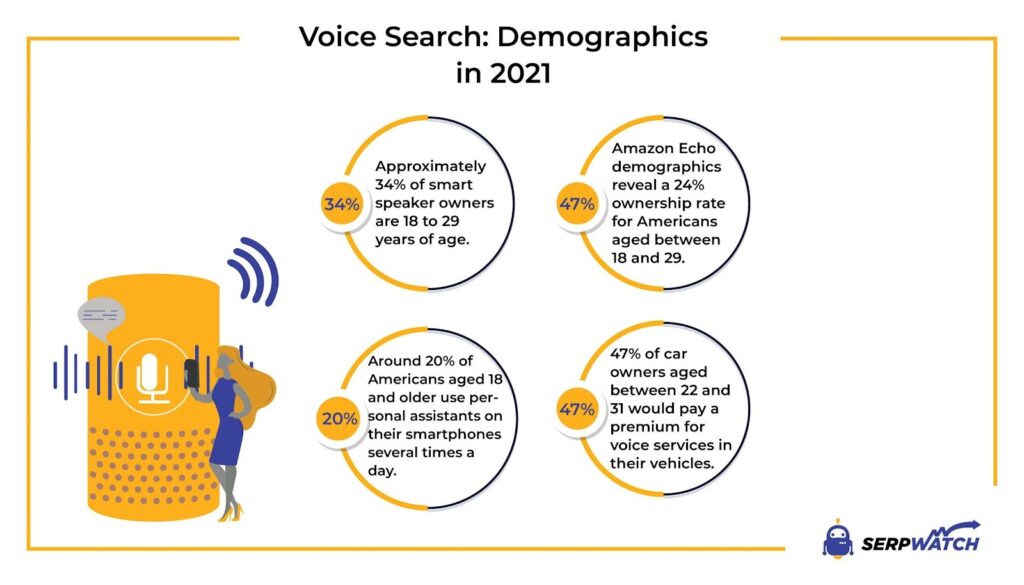
Key Voice Search Stats Shaping 2026
While exact numbers vary across platforms, consistent patterns are emerging across global and Indian data.
Key trends that matter for strategy:
- Voice queries are significantly longer than text searches and often framed as questions
- Local intent dominates voice usage, especially for services, food, healthcare and retail
- A growing share of users expect one clear answer, not multiple options
- Voice-led actions are rising, including bookings, reorders and payments
An underreported insight is that repeat voice behavior is habit-driven. Once users trust an assistant’s recommendations, they rarely compare alternatives. This creates a winner-takes-most dynamic for brands that get surfaced early.
The Hidden Shift: Voice Search as a Brand Filter
Unlike traditional search, voice assistants rarely present multiple results. They act as filters, not directories.
This means:
- Ranking second often equals invisibility
- Brand familiarity influences recommendations
- Structured, decisive content outperforms neutral content
For agencies, this is critical. Optimizing for voice search is not about adding FAQs alone. It is about becoming the most confident and clear answer.
Voice Assistants SEO: What Actually Changes
Voice assistants SEO differs from traditional SEO in several practical ways.
Conversational Intent Over Keywords
Voice queries mirror natural speech. Content must answer complete questions clearly and directly.
Single-Answer Optimization
Pages that state conclusions early and clearly are more likely to be selected.
Entity and Context Clarity
Assistants rely on strong brand and business signals such as:
- Clear service descriptions
- Location relevance
- Consistent brand mentions
Speed and Accessibility
Voice search favors fast-loading, mobile-friendly pages with simple structures.
Advanced insight:
Voice systems prioritize decision-ready content. Pages that say “the best option is X because Y” perform better than balanced comparisons.
Voice Commerce: The Quiet Revenue Channel
Voice commerce is expanding beyond reorders into discovery-based purchases.
In India, this is visible in:
- Grocery and daily essentials reordering
- Local service bookings
- Subscription renewals
- Smart device integrations
Voice commerce works best where:
- Trust already exists
- Decisions are repeatable
- Friction is minimal
Brands that optimize early can lock in repeat customers before competitors realize what is happening.
Case Study: Indian Local Services Brand
A Bengaluru-based home services platform optimized its content for conversational service queries and local voice intent.
They focused on:
- Clear service descriptions
- Location-specific answers
- Decisive pricing explanations
Within months, they observed a rise in assisted conversions from voice-driven discovery, even though classic keyword rankings showed minimal change.
The takeaway: voice visibility does not always reflect in traditional SEO dashboards.
Implications for Brands and Agencies
For brands:
- Voice search is becoming a trust shortcut
- Early optimization creates long-term defensibility
- Local and conversational relevance matters more than volume
For writing and SEO agencies:
- Voice optimization is a premium service, not a commodity
- Clients need strategy, not templates
- Reporting must evolve beyond rankings
The real opportunity lies in positioning voice search as decision optimization, not just traffic acquisition.
Conclusion
By 2026, e-voice search trends will influence how users choose brands without ever seeing a screen. Voice assistants will increasingly act as advisors, not tools.
For agencies, this shift opens a powerful positioning angle. Those who help clients become the preferred voice answer will win trust, retainers and long-term relevance.
Voice search is not replacing SEO. It is redefining what visibility truly means.
FAQs
1. What are e-voice search trends?
They refer to how users increasingly rely on voice-based queries and assistants for search, decisions and actions.
2. How does voice search affect SEO?
It prioritizes conversational intent, clear answers and brand trust over traditional keyword density.
3. Is voice search important for Indian businesses?
Yes. Mobile usage, vernacular queries and local intent make India a high-growth market for voice search.
4. What is voice assistants SEO?
It is the practice of optimizing content and brand signals to be selected by voice assistants as the preferred answer.
5. How does voice commerce work?
Voice commerce enables users to research, reorder and purchase products or services using voice