
E-E-A-T has moved from being an abstract quality concept to a measurable SEO advantage. In 2026, brands that can prove experience, expertise, authority and trust will outperform those that only claim it.
The challenge is simple. Google does not provide a direct E-E-A-T score. Yet high-performing sites clearly demonstrate stronger E-E-A-T signals. The gap between theory and execution is where most brands fail and where writing agencies can win.
This article breaks down how to measure E-E-A-T using real metrics, proxy indicators and reporting frameworks, with examples relevant to the Indian market.
What Measuring E-E-A-T Really Means
E-E-A-T is not a ranking factor you switch on. It is an evaluation framework search engines and AI systems use to decide which sources to trust.
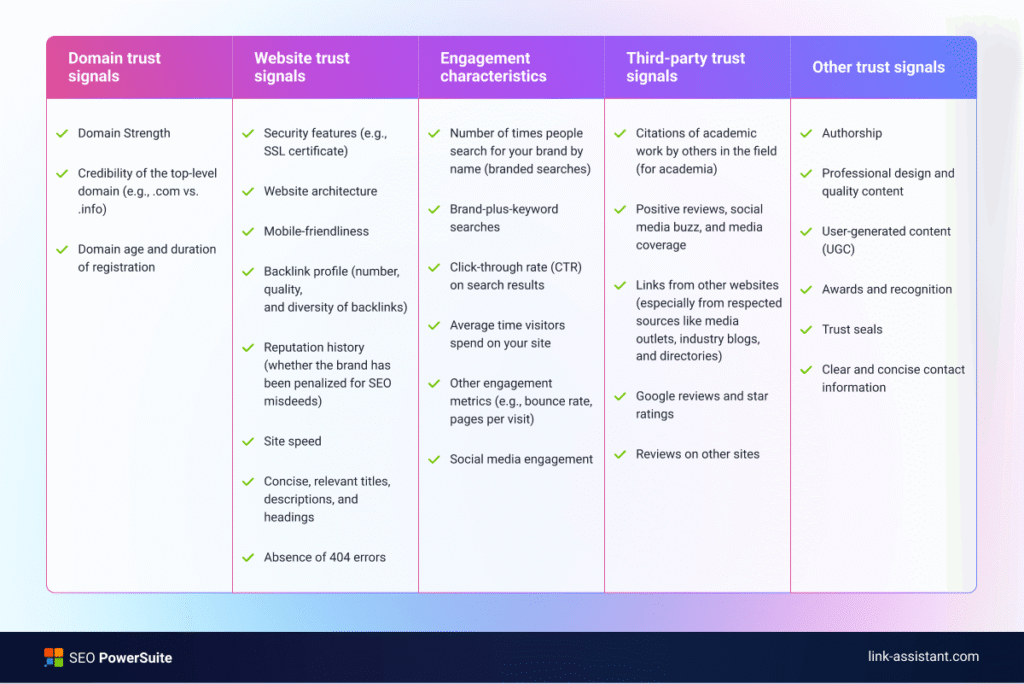
Measuring E-E-A-T means tracking signals that consistently correlate with trusted content, such as credibility, author depth, and external validation.
What most people still do not realize is this:
AI-powered search systems evaluate E-E-A-T at the entity level, not page level.
This means your brand, authors and past content history matter as much as the page you publish today.
What to Measure: Core E-E-A-T Metrics
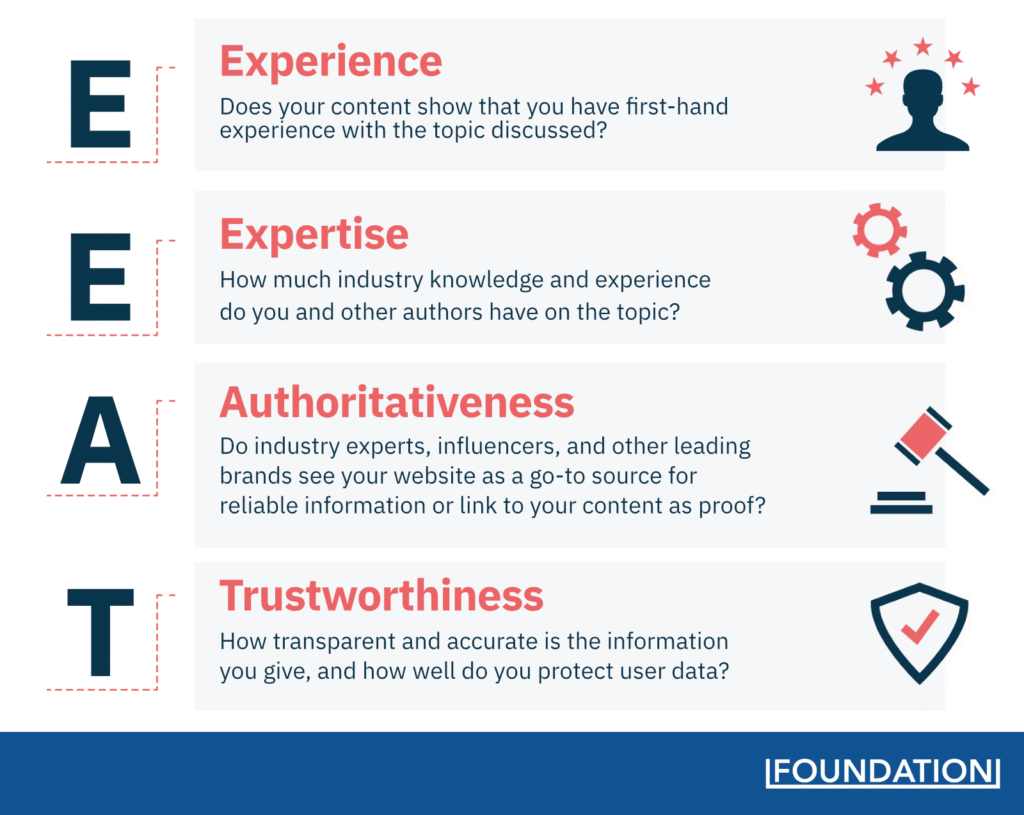
Instead of vague audits, focus on measurable indicators tied to each pillar.
Experience
- Author participation in the topic
- First-hand examples, screenshots, field data
- Case studies and implementation evidence
Indian example. Fintech blogs written by founders or practitioners consistently outperform generic finance explainers.
Expertise
- Depth of topic coverage across the site
- Qualifications, credentials and bios
- Consistency of subject focus
Expertise compounds over time. A site publishing narrowly but deeply builds stronger trust than one covering everything.
Authority
- Brand mentions without links
- Citations by other authoritative sources
- Inclusion in industry roundups and AI summaries
Authority is increasingly mention-based, not just link-based.
Trust
- Transparent authorship
- Updated content timestamps
- Clear sourcing and data references
Trust signals are often the deciding factor for AI-generated answers.
Proxy Metrics That Indicate Strong E-E-A-T
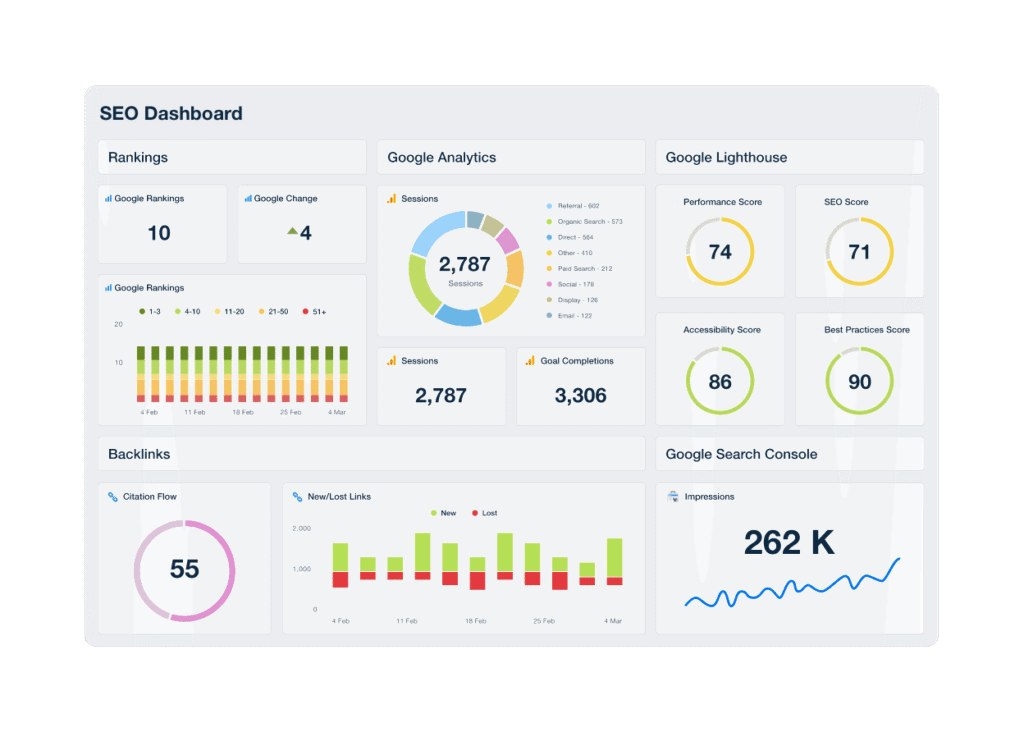
Because E-E-A-T is qualitative, SEO teams rely on proxy metrics to measure progress.
Key E-E-A-T metrics agencies should track include:
- Growth in branded search queries
- Increase in unlinked brand mentions
- Average time on page for expert-led content
- Return visits to informational pages
- Citations in AI-generated responses
Advanced insight. Pages with decisive conclusions are reused more often by AI systems than neutral content.
Why Research-Based Content Marketing Strengthens E-E-A-T
Research-based content marketing creates multiple E-E-A-T signals at once.
Original research demonstrates experience.
Data-backed insights signal expertise.
Citations and reuse build authority.
Transparency improves trust.
This is why original research SEO is emerging as the fastest way to improve perceived authority.
Case Study 1: Indian Healthtech Platform
A healthtech startup published anonymized research on patient appointment drop-offs across Indian cities.
Results after six months:
- Natural mentions by health publications
- Improved rankings for trust-sensitive queries
- Inclusion in AI-generated healthcare summaries
No link building was involved. Authority came from data.
Case Study 2: B2B Agency Measuring E-E-A-T for Clients
An Indian content agency introduced an E-E-A-T scorecard for clients.
They tracked:
- Author depth index
- Brand mention velocity
- Research citations per quarter
Clients reported improved inbound quality and higher close rates because trust was visible before sales calls.
Publishing Workflow for Measurable E-E-A-T
Agencies can operationalize E-E-A-T using a repeatable workflow.
- Map authors to core topics
- Identify trust gaps in existing content
- Introduce research or first-hand insights
- Strengthen entity consistency across platforms
- Track proxy metrics quarterly
Important note. Publishing more content does not increase E-E-A-T. Publishing credible content does.
How to Report E-E-A-T to Clients
Clients do not care about theory. They care about outcomes.
Effective E-E-A-T reporting should include:
- Brand search growth trends
- Mention frequency across the web
- Authority content performance
- AI visibility observations
This positions your agency as a trust architect, not a content vendor.
Conclusion
By 2026, measuring E-E-A-T metrics will be a core SEO capability, not an optional add-on. Search engines and AI systems increasingly reward brands that demonstrate credibility over time.
For writing agencies, E-E-A-T measurement unlocks premium positioning, longer retainers and stronger client confidence. Those who can quantify trust will own the next phase of SEO.
FAQs
1. Can E-E-A-T be measured directly
No. It is measured through proxy metrics and observable trust signals.
2. What are the most important E-E-A-T metrics
Brand mentions, author credibility, research depth and trust signals.
3. Does research-based content improve E-E-A-T
Yes. It strengthens all four pillars simultaneously.
4. Is E-E-A-T more important for Indian brands now
Yes. Local expertise and credibility are increasingly favored in AI-driven search.5. How can agencies sell E-E-A-T measurement
By packaging it as authority reporting and AI visibility optimization.