
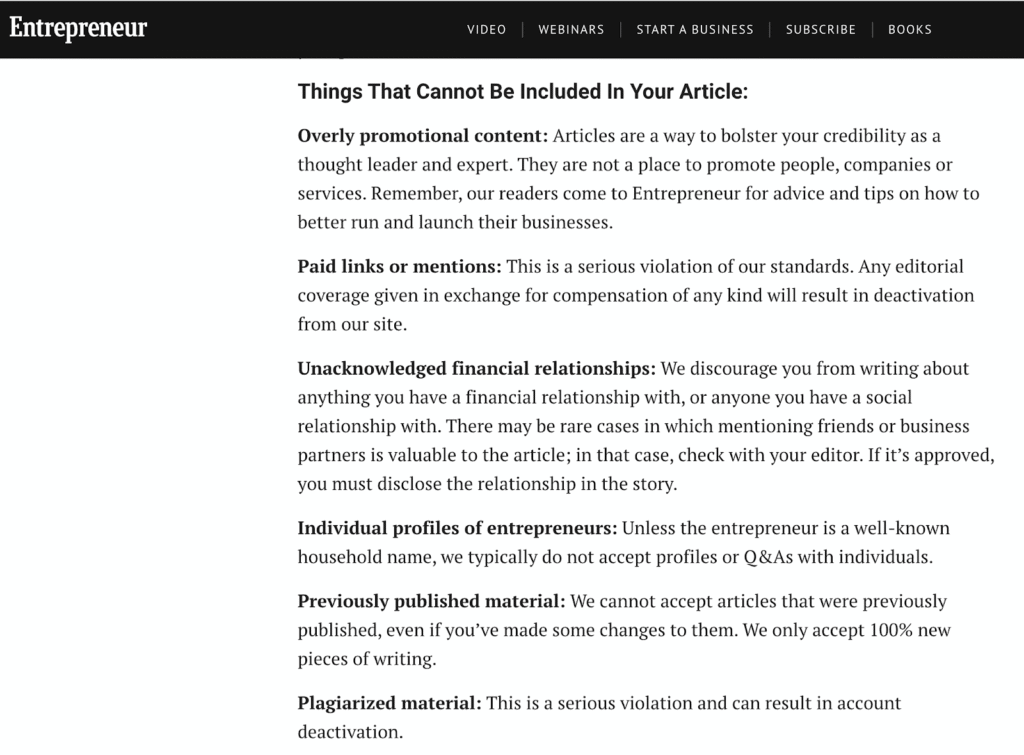
As search engines evolve into AI-driven answer systems, transparency and disclosure are no longer compliance checkboxes. They are fast becoming core ranking signals. In this new environment, content transparency SEO determines not only whether content ranks, but whether it is trusted, reused, and recommended by AI systems.
By 2026, search will reward clarity over cleverness. Brands that clearly communicate who they are, why content exists, and how it is monetized will outperform those that rely on ambiguity.
For writing agencies, this creates a powerful opportunity to sell trust infrastructure, not just content.
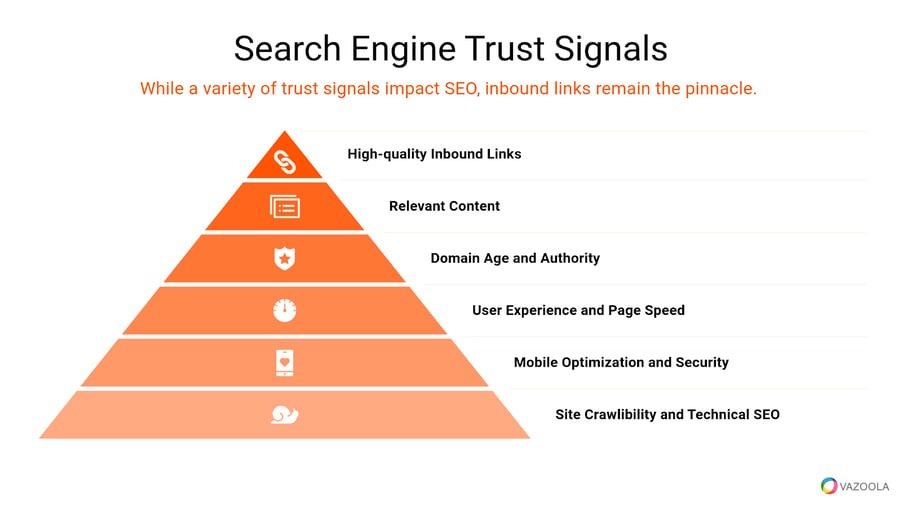
Why Transparency Has Become a Core Trust Signal
Modern search engines evaluate content through credibility signals that go beyond keywords. AI systems ask implicit questions before surfacing content:
- Who created this content
- What expertise backs it
- Why was it published
- Is there commercial intent
- Can this source be trusted again
Transparency answers all of these instantly.
What most people do not realize is that AI systems deprioritize unclear content rather than penalize it. Pages without disclosures, authorship clarity, or intent signals may still rank occasionally, but they are reused less often in AI-generated answers.
This silent deprioritization is already shaping search visibility.
Why Transparency Matters More for Indian Audiences
Indian users have become significantly more trust-conscious due to the rise of misleading ads, unverified influencers, and AI-generated misinformation. As a result, transparency now directly affects engagement and conversions.
Transparency elements that strongly influence Indian audiences include:
- Clear affiliate disclosures in reviews and comparisons
- Founder or author attribution with real experience
- Open explanation of services and pricing logic
- Data-backed claims instead of generic assurances
Additionally, Indian advertising and influencer guidelines are tightening. Early adoption of disclosure standards gives brands both search and reputational advantage.
The Transparency Stack: A 2026 Framework for Content Trust
Instead of treating disclosure as a single checkbox, brands should adopt a layered approach. This is the Transparency Stack, a framework designed for AI-first search.
Level 1: Basic Disclosures
Affiliate links, sponsorships, partnerships, or promotional intent clearly stated.
Level 2: Author and Brand Identity
Real authors, credentials, brand background, and contactability.
Level 3: Editorial Policy
Clear explanation of how content is created, reviewed, updated, and governed.
Level 4: Methodology and Data Clarity
How insights were formed, data sources used, or assumptions made.
Level 5: AI Usage Transparency
Clear communication on whether and how AI assists content creation.
Most brands operate only at Level 1. AI search systems increasingly prefer content that reaches Levels 3 to 5.
Practical Disclosure Examples That Strengthen SEO
Effective disclosure is concise, visible, and consistent.
High-impact examples include:
- A short disclosure note at the top or bottom of commercial content
- Author bios with experience relevant to the topic
- Editorial policy pages linked from the footer
- Methodology notes for research, comparisons, or recommendations
- AI assistance disclosure where applicable
Advanced insight. AI systems favor content that explains how conclusions were reached, not just what the conclusions are.
SEO Impact of Transparency and Disclosure
Transparency influences SEO indirectly but powerfully across multiple signals.
- Higher dwell time due to increased trust
- Lower bounce rates on advisory content
- Stronger reuse in AI-generated summaries
- Improved brand recall across repeated queries
By 2026, transparency will act as a ranking multiplier. It does not replace quality content. It amplifies it.
Importantly, transparency also protects brands from future algorithm shifts focused on misinformation and content integrity.
How Writing Agencies Can Productize Transparency
For agencies, transparency is not just best practice. It is a monetizable service.
High-value offerings include:
- Transparency and disclosure audits
- Editorial policy creation
- AI usage disclosure frameworks
- Trust signal optimization for AI search
- Compliance-aligned content guidelines
These services are difficult to commoditize and position agencies as long-term strategic partners.
Conclusion
Transparency and disclosure are becoming foundational to digital credibility. In an AI-first search ecosystem, content that clearly communicates intent, authorship, and accountability will outperform content built on opacity.
For writing agencies, content transparency SEO is a strategic advantage. It improves rankings, strengthens trust, and attracts clients who value authority over shortcuts.
By 2026, transparency will not just protect brands. It will actively drive growth.
FAQs
1. What is content transparency SEO
It is the practice of improving search visibility by clearly disclosing authorship, intent, affiliations, and editorial standards.
2. Do disclosures reduce conversions
No. Transparent disclosures often increase trust and lead quality.
3. Is AI usage disclosure necessary for SEO
It is not mandatory yet, but it is increasingly important for long-term credibility and AI visibility.
4. How detailed should editorial policies be
They should clearly explain creation, review, updates, and accountability without unnecessary complexity.5. Can agencies charge for transparency optimization
Yes. Transparency audits and frameworks are emerging as premium, high-retainer services.