
In a search ecosystem crowded with short blogs and AI-generated articles, long-form content SEO has quietly become one of the strongest growth levers for brands. By 2026, search engines and AI-driven discovery platforms will reward depth, structure and usefulness over sheer publishing frequency.
For businesses and writing agencies, long-form guides are no longer optional. They are authority assets that rank consistently, influence AI summaries and convert readers into high-value clients.
Why Long-Form Content Wins in Modern SEO
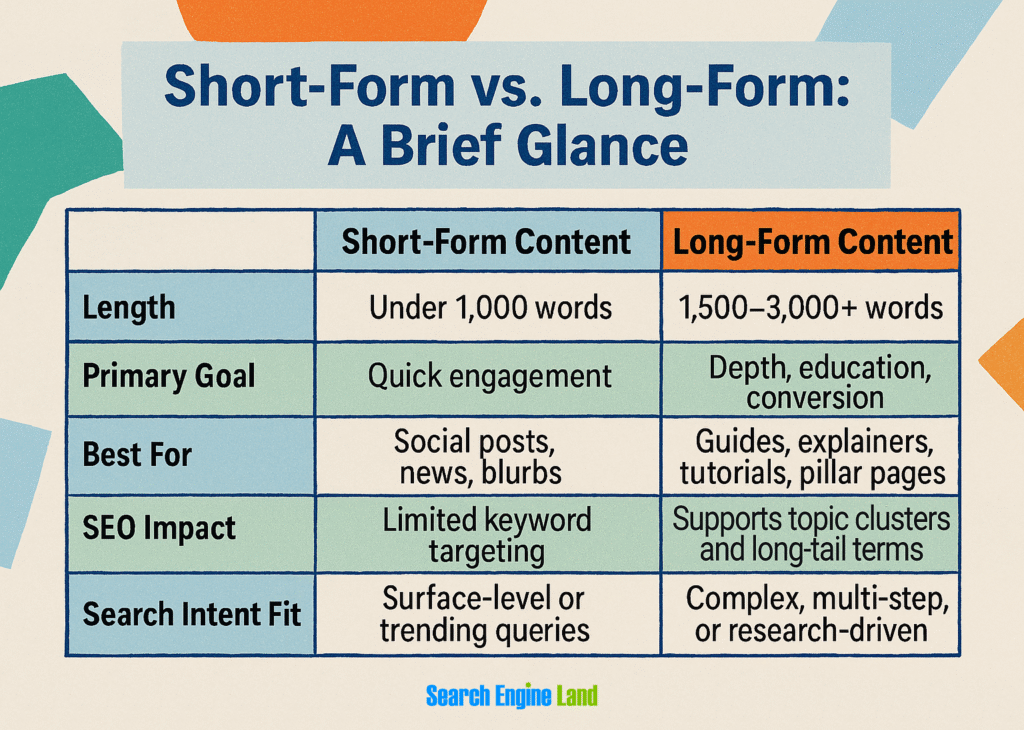
Search engines increasingly evaluate content based on completeness and intent satisfaction, not just keywords. Long-form guides perform well because they address a topic end-to-end.
Key reasons in-depth guides outperform short articles:
- They cover multiple related queries within one authoritative page
- They reduce pogo-sticking by keeping users engaged longer
- They attract natural backlinks as reference resources
- They are more likely to be cited in AI-generated answers
A lesser-known insight is that AI search systems favor consolidated knowledge. Instead of scanning ten small blogs, AI models prefer one well-structured pillar that answers related questions comprehensively.
This makes long-form guides ideal for AI-first search environments emerging in 2026.
Why Long-Form Guides Work Especially Well for Indian Audiences
Indian users increasingly search with contextual and comparison-based intent, especially in B2B, SaaS and professional services.
Examples include:
- “Best accounting software for Indian startups”
- “Complete guide to SEO pricing in India”
- “How to choose a digital marketing agency in India”
Short articles fail here because users want clarity, examples and decision support. Long-form pillar content answers these needs in one place.
For agencies, this also builds trust. Indian buyers often evaluate expertise before initiating contact. An in-depth guide acts as a silent sales asset.
The Ideal Structure for High-Ranking Long-Form Guides
Most long-form content fails not due to length, but due to poor structure. Search engines reward guides that are easy to scan and logically layered.
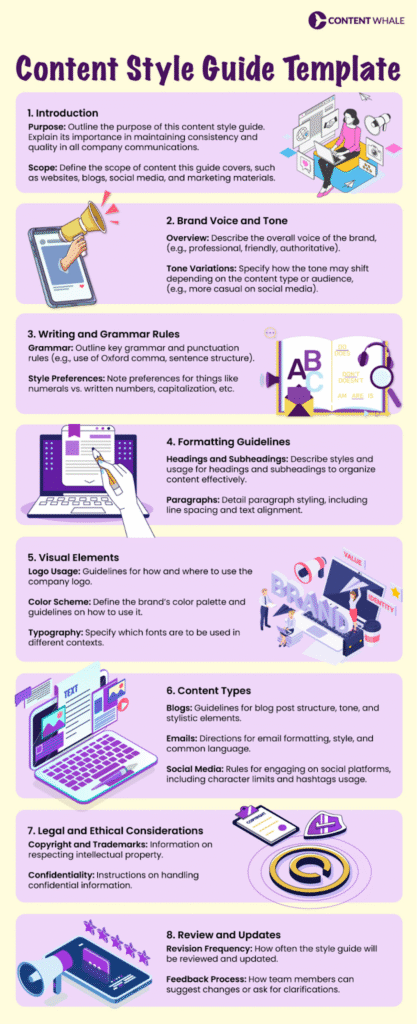
1. Intent-First Introduction
Start by clearly stating who the guide is for and what problem it solves. Avoid generic openings.
2. Core Topic Breakdown
Divide the topic into logical sections that mirror how users think and search. Each section should answer a distinct sub-question.
3. Supporting Evidence and Examples
Use real scenarios, industry data or regional context to reinforce credibility.
4. Decision-Enabling Insights
Include comparisons, frameworks or recommendations. AI systems prefer content that helps users decide, not just learn.
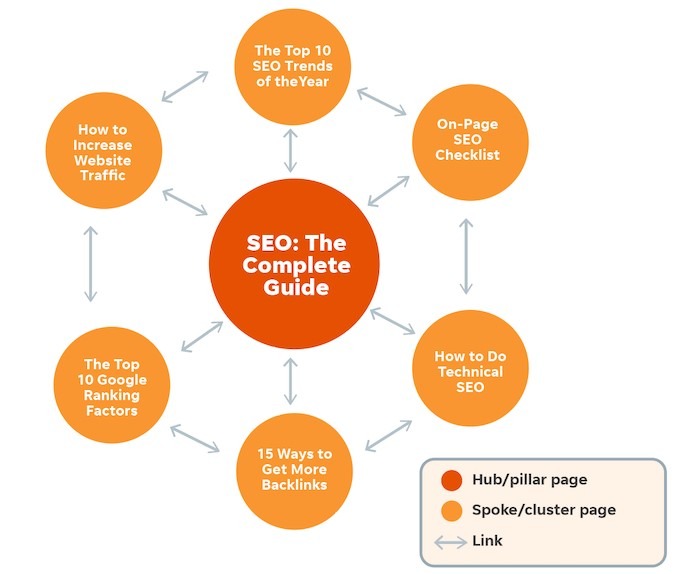
5. Internal Linking Hub
Well-built pillar content naturally links to related blogs and services, strengthening site-wide SEO.
Examples of Long-Form Content That Perform Well
Not all long guides rank equally. These formats consistently perform best for pillar content and in-depth guides.
Ultimate How-To Guides
Step-by-step guides that walk users through a process from beginner to advanced level.
Buyer or Decision Guides
Content that compares options, pricing, use cases and pitfalls. These attract high-intent traffic.
Industry Playbooks
Strategic guides explaining how a specific industry approaches a problem, tailored to regional markets like India.
Case Study 1: Indian SaaS Brand Using Pillar Content
A Chennai-based SaaS company created a 5,000-word guide on compliance automation for Indian SMEs.
They focused on:
- Clear sectioning
- India-specific regulations
- Practical checklists
Within eight months, the guide ranked for multiple long-tail queries and became the top traffic driver. Sales teams used it as a pre-sales resource, reducing demo friction.
Case Study 2: Writing Agency Winning Clients Through Long-Form Guides
An Indian content agency published an in-depth guide on content ROI measurement for startups.
Instead of publishing weekly blogs, they invested in one comprehensive pillar. The guide:
- Ranked for several long-form content SEO queries
- Was shared by founders on LinkedIn
- Became their most referenced sales asset
Inbound leads increased, and client conversations shifted from pricing to strategy.
What Most People Miss About Long-Form Content in 2026
The future of long-form guides is not just length. It is modularity.
AI systems extract sections, summaries and frameworks from long guides to answer specific queries. Well-structured pillar content allows your insights to appear across multiple AI responses without users visiting ten different pages.
This means one guide can fuel:
- Organic rankings
- AI summaries
- Voice search answers
- Sales enablement content
That is why long-form content SEO is becoming a compounding asset rather than a one-time effort.
Conclusion
By 2026, long-form content SEO will be a defining factor in search visibility and authority building. In-depth guides and pillar content outperform short articles because they satisfy intent, build trust and align with AI-driven search behavior.
For writing agencies, long-form guides are not just content pieces. They are proof of expertise that attracts better clients, supports premium pricing and delivers long-term SEO value.
FAQs
1. What is long-form content SEO
It is the practice of optimizing comprehensive, in-depth content to rank for multiple related search queries.
2. How long should a long-form guide be
There is no fixed length, but most effective guides thoroughly cover a topic rather than targeting a word count.
3. Does pillar content still work in 2026
Yes. Pillar content aligns well with AI search systems that favor consolidated and authoritative sources.
4. Are long-form guides suitable for Indian businesses
Absolutely. Indian audiences value clarity, examples and decision support, which long-form guides provide.
5. How can agencies use long-form guides to win clients
By showcasing expertise, solving real problems and positioning themselves as strategic partners rather than vendors.