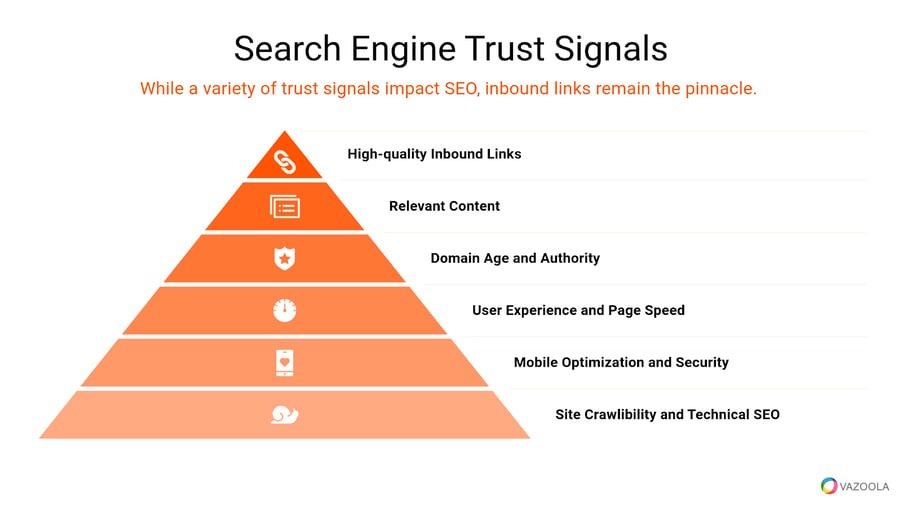

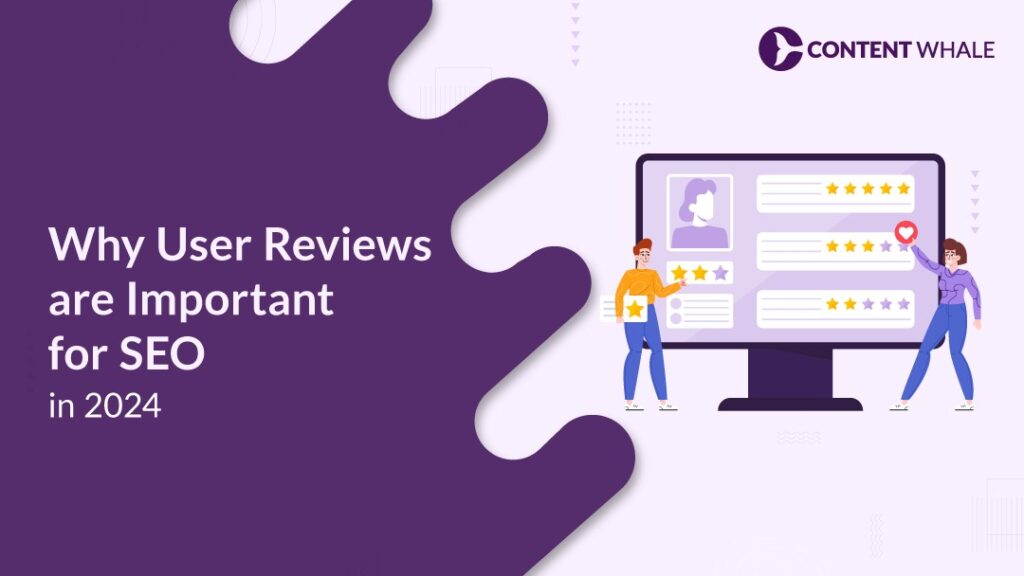
In 2026, showcasing user reviews is no longer just about trust badges or conversion boosts. Reviews have become a core SEO and AI visibility signal. Search engines and AI-powered discovery systems increasingly rely on real user feedback to decide which brands deserve attention, visibility, and recommendations.
For Indian brands and service providers, this creates a powerful opportunity. When implemented correctly, user reviews SEO can outperform traditional content strategies and help agencies attract clients who care about measurable business impact.
Why User Reviews Directly Influence Rankings
Search engines aim to surface results that reduce decision friction. Reviews do exactly that. They add context, validation, and real-world language that algorithms cannot fabricate.
Here is why reviews now matter more than ever:
- Fresh content signals: Reviews update your pages naturally without publishing new blogs
- Long-tail keyword coverage: Customers describe problems in their own words
- Trust and authority reinforcement: Especially critical for local and service-based searches
- AI answer sourcing: Generative search engines pull sentiment and summaries from reviews
What most people do not know is that AI-driven search systems analyze review sentiment patterns, not just star ratings. Consistency of positive outcomes matters more than perfect scores.
Why This Matters for the Indian Market
Indian users rely heavily on peer validation before making decisions. Whether it is choosing a doctor, SaaS tool, or agency, reviews often outweigh brand messaging.
Key India-specific behaviors shaping review-led SEO:
- High trust in Google reviews for local and professional services
- Decision-making influenced by detailed written feedback, not just ratings
- Strong preference for recent and experience-led testimonials
This makes testimonials SEO a high-return strategy for Indian businesses targeting 2026 growth.
Reviews and Rankings: What Changes by 2026
Traditional SEO treated reviews as a local ranking factor. That is changing fast.
By 2026:
- Reviews influence AI-generated summaries, not just local packs
- Brands with consistent review narratives appear more frequently in conversational search
- Negative review patterns affect AI trust even if overall ratings are high
Search engines such as Google increasingly evaluate how reviews align with on-page claims. Mismatch reduces credibility.
Advanced insight:
AI systems compare testimonial language with service pages. When promises and reviews align, ranking stability improves.
Review Schema: The Technical Edge Most Brands Miss
Review schema is no longer optional. It helps search engines understand context, sentiment, and authenticity.
Best practices for 2026 include:
- Use aggregate rating schema only when reviews are genuinely displayed
- Mark up individual testimonials with reviewer type and service context
- Avoid reusing the same testimonials across multiple pages
- Update schema when reviews change to maintain freshness signals
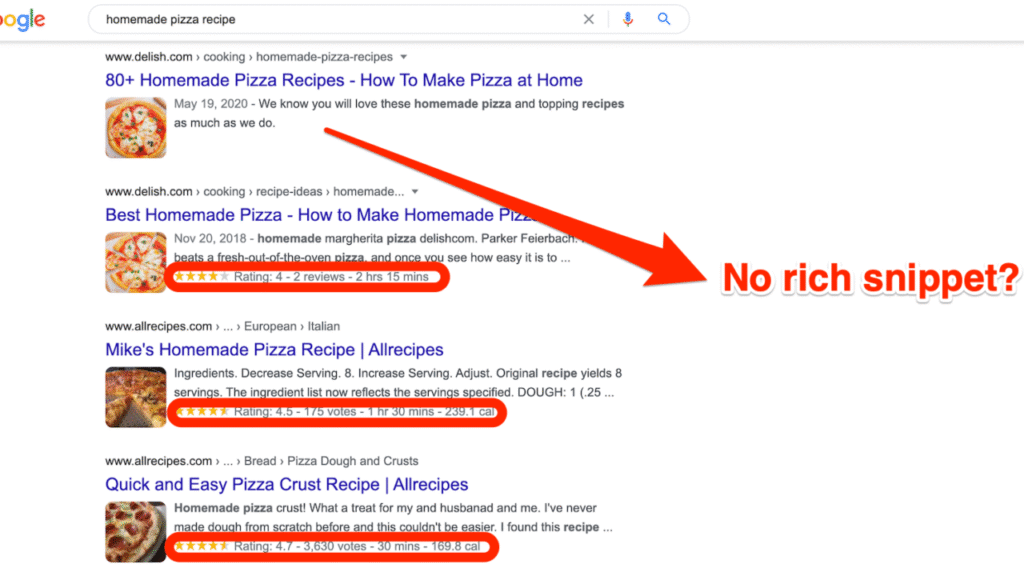
What many brands overlook is that schema helps AI attribute trust, even when rich snippets are not shown publicly.
Case Study 1: Indian Local Service Brand
A Delhi-based legal consultancy added structured review sections to service pages instead of a generic testimonials page.
They highlighted:
- Client type
- Problem solved
- Outcome achieved
Results after four months:
- Improved visibility for conversational queries
- Higher click-through rates from search
- Increased inbound leads without increasing ad spend
Case Study 2: B2B Agency Leveraging Reviews for SEO
A Mumbai-based digital agency embedded client reviews within blog content and service pages, supported by review schema.
Outcome:
- Blogs began ranking for high-intent queries
- AI-generated summaries referenced client feedback
- Sales calls became shorter due to pre-built trust
This approach turned social proof into a ranking and sales accelerator.
How to Showcase User Reviews the Right Way
Effective review display is both strategic and ethical.
On Website
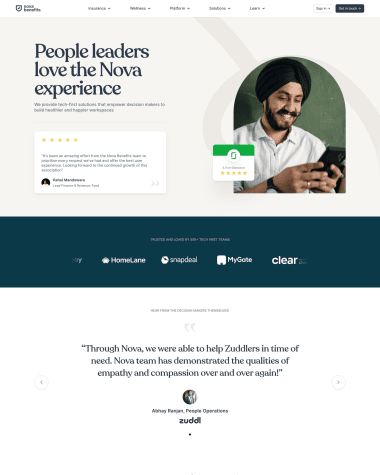
- Place testimonials near conversion points
- Match reviews to specific services
- Use plain language instead of marketing polish
Across Platforms
- Encourage reviews on Google and industry platforms
- Maintain consistency in brand messaging
- Respond publicly to both positive and negative feedback
For SEO and AI
- Avoid hiding reviews behind sliders only
- Use crawlable text formats
- Refresh review content regularly
Agencies that offer review optimization as a service position themselves closer to revenue outcomes, not vanity metrics.
Conclusion
By 2026, user reviews SEO will be one of the strongest signals for trust, relevance, and AI visibility. Brands that treat reviews as structured content assets will outperform those that see them as optional add-ons.
For writing and SEO agencies, showcasing user reviews strategically is not just about better rankings. It is a way to demonstrate measurable impact, shorten sales cycles, and win higher-value clients.
FAQs
1. How do user reviews help SEO
They improve trust signals, add fresh content, and enhance AI visibility.
2. Are testimonials and reviews the same for SEO
No. Testimonials are curated, while reviews are user-generated and carry higher trust.
3. Does review schema guarantee rich snippets
No, but it improves understanding and trust for search engines and AI systems.
4. How many reviews are needed for SEO impact
Consistency matters more than volume. Regular reviews outperform bulk uploads.5. Can agencies sell review optimization as a service
Yes. Review collection, display, and schema optimization are high-value offerings.