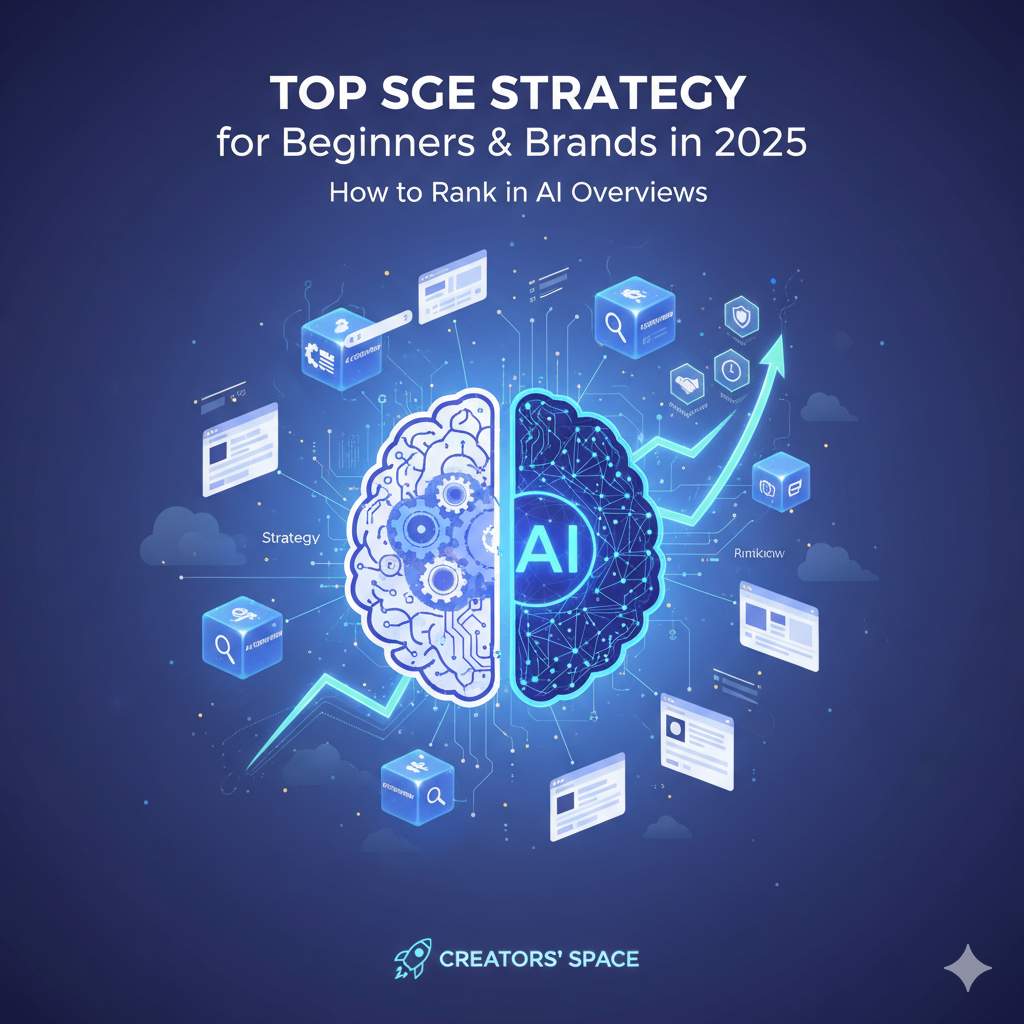
The future of AI search is no longer a prediction, it’s already reshaping how people discover information. Traditional blue-link search results are giving way to generative search experiences, where answers are synthesized, contextual, and increasingly personalized. For brands and agencies in India, this shift creates both a threat and a massive opportunity.
By 2026, search engines will behave less like directories and more like decision engines. If your SEO strategy still revolves only around keywords and backlinks, you’re already behind.
Future of Search Engines: What’s Fundamentally Changing
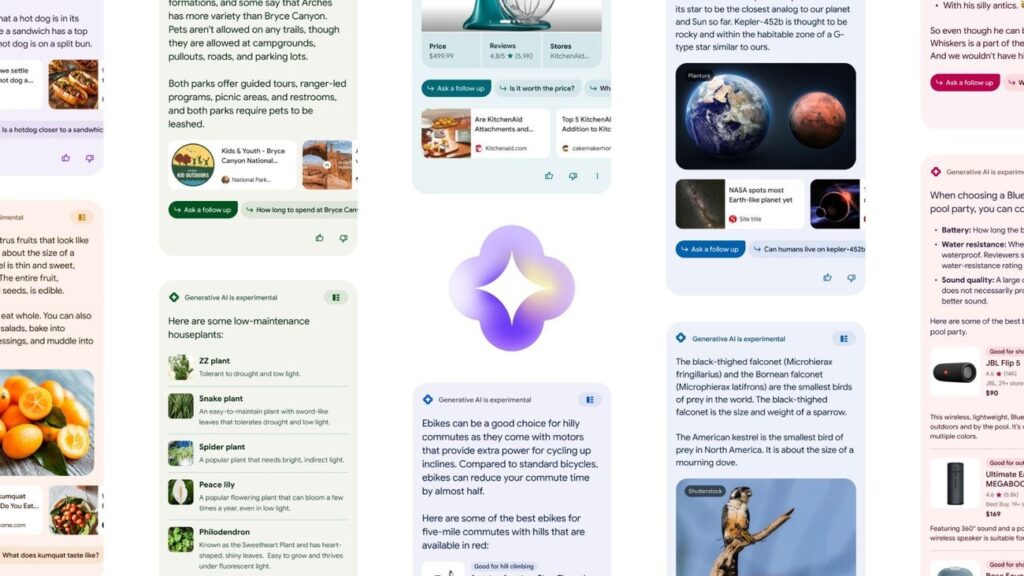
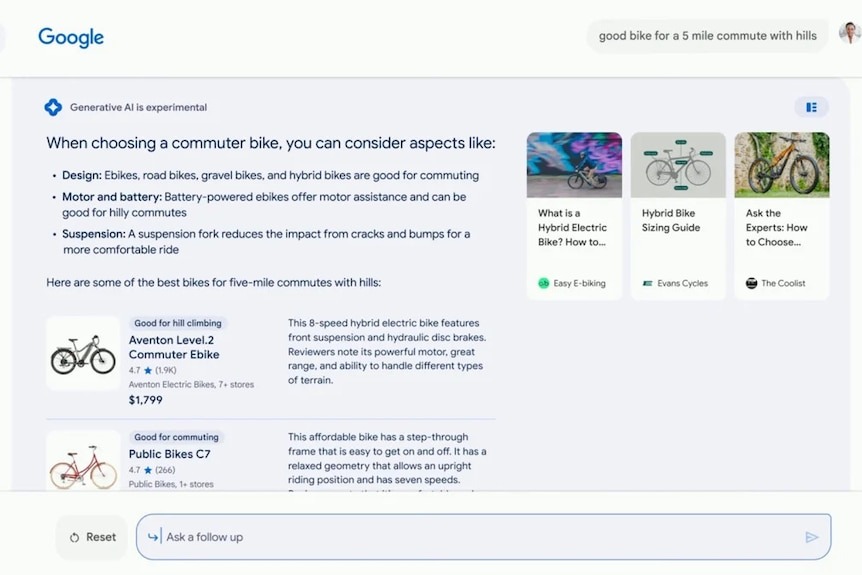
Search engines powered by AI models, such as Google’s Search Generative Experience (SGE), Perplexity AI, and tools built on OpenAI are transforming search in three critical ways:
- Answers over links
Users increasingly get direct, summarized responses instead of browsing multiple websites. - Intent prediction beats keyword matching
AI understands why a user is searching, not just what they typed. - Multi-modal discovery
Search now includes text, voice, images, PDFs, videos, and even WhatsApp-style queries, especially relevant in India’s mobile-first ecosystem.
What most people don’t realize:
AI search engines build long-term memory graphs of user behavior. This means ranking visibility will differ by user persona, not just by keyword position.
Generative Search & AI-First SEO: What Changes for SEO
1. From ranking pages to training the AI
In generative search, your content may never receive a click, yet it can still influence buying decisions. SEO now means becoming a trusted data source for AI models.
Key shifts:
- Brand mentions matter as much as backlinks
- First-party insights outperform generic blogs
- Authorship, experience, and topical depth directly affect visibility
2. Entity-based SEO will dominate
Search engines rely on entities, not pages. Brands, founders, products, and locations must be clearly defined across the web.
For Indian brands, this means:
- Strong Google Business Profiles
- Consistent mentions across Indian platforms (Justdial, Practo, Clutch, G2)
- Founder-led content for trust and authority
3. Zero-click searches will cross 70%
By 2026, most informational searches won’t result in a website visit. SEO success will be measured by influence, not traffic alone.
Search Trends Shaping 2026 (Especially for India)
- Voice & vernacular search growth (Hindi, Tamil, Marathi queries)
- WhatsApp-style conversational queries
- Local AI results for hyper-specific needs (e.g., “best GST consultant near me for startups”)
- AI summaries pulling from niche experts, not mass publishers
Indian users trust specific experience over global authority, a massive advantage for regional agencies.
Skills SEO Professionals Must Build Now
To stay relevant in the future of AI search, agencies must evolve beyond execution into strategy.
Must-have skills by 2026
- Prompt engineering for SEO research
- Topical authority mapping (not just keyword clustering)
- Structured data & entity optimization
- Brand narrative optimization (how AI “understands” your brand)
- Conversion-focused content for AI-assisted buyers
New insight:
AI search favors decisive content. Pages that clearly recommend, compare, or conclude outperform neutral, generic explainers.
Case Study 1: Indian SaaS Brand Winning in Generative Search
A Bengaluru-based HR SaaS company shifted from keyword blogs to expert-led thought pieces and comparison content.
What they changed:
- Replaced 40 generic blogs with 12 in-depth guides
- Added founder POV and proprietary data
- Optimized for entity mentions, not rankings
Result:
Within 5 months, their brand started appearing in AI-generated answers for “best HR software for Indian startups”, despite ranking only #6 organically.
Case Study 2: Local Service Business & AI Visibility
A Mumbai digital marketing agency focused on:
- Founder-authored LinkedIn content
- Consistent brand mentions across Indian directories
- FAQ-driven content answering real sales objections
Outcome:
They now appear in AI summaries for “best SEO agency for startups in India,” generating inbound leads without ranking #1 on Google.
Strategic Checklist: AI-First SEO for 2026
✔ Build topical authority, not volume
✔ Optimize for entities, not just keywords
✔ Publish original insights and real experiences
✔ Strengthen brand mentions across trusted platforms
✔ Track AI visibility, not only organic traffic
✔ Align SEO with sales and decision-making queries
Why This Matters for Writing & SEO Agencies
Clients won’t pay for blogs anymore, they’ll pay for AI visibility, authority, and influence. Agencies that understand generative search can position themselves as strategic growth partners, not vendors.
This shift creates a rare moment: early movers will dominate trust signals that AI systems rely on for years.
Conclusion
The future of AI search will reward brands that educate, lead, and influence, not those who chase algorithms. By 2026, SEO will no longer be about ranking pages, but about owning conversations inside AI systems.
For agencies, this is not a threat, it’s the biggest upgrade SEO has ever seen.
FAQs: Future of AI Search & SEO
1. What is generative search?
Generative search uses AI to create summarized answers instead of showing only links.
2. Will SEO still matter in 2026?
Yes, but it will focus on authority, entities, and influence rather than rankings alone.
3. How does AI-first SEO differ from traditional SEO?
AI-first SEO optimizes content to be understood, trusted, and reused by AI models.
4. Is this relevant for Indian businesses?
Absolutely. Local expertise and regional relevance give Indian brands a competitive edge.
5. How can agencies sell AI-first SEO to clients?
By positioning it as brand visibility in AI answers, not just traffic generation.