Your blog category

In an internet dominated by AI-written articles, research-based content marketing has emerged as the most reliable way to earn visibility, trust and long-term rankings. By 2026, search engines and AI-powered discovery platforms will increasingly prioritize content that introduces new information, not reworded summaries.
For brands and writing agencies, this shift creates a clear advantage. Content backed by original data not only ranks better but also attracts higher-quality leads and positions the creator as an authority.
Why Research-Based Content Ranks Consistently
Search engines are moving beyond keyword relevance toward credibility and evidence. Pages that include original research, surveys or first-hand analysis consistently outperform opinion-led content.
Key reasons research-driven content ranks better include:
- Higher trust signals because the information cannot be found elsewhere
- Natural backlinks from journalists, SaaS companies and creators
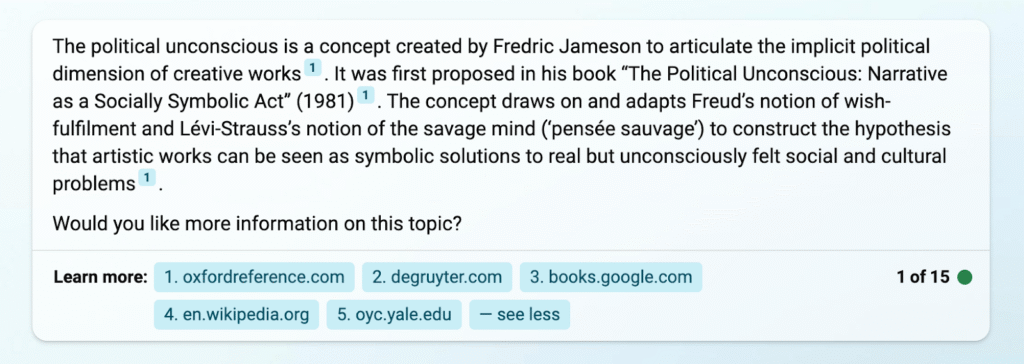
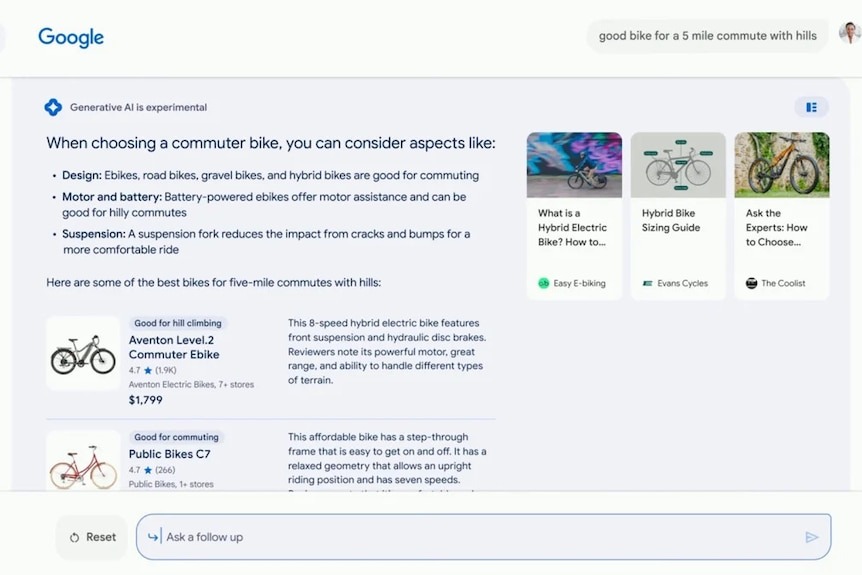
- Strong visibility in AI-generated answers and summaries
- Long content lifespan compared to trend-based blogs
What most people do not realize is that AI systems evaluate novelty. Even a small dataset of 50 to 100 responses can outperform a perfectly optimized article with no original insight.
Why This Strategy Works Especially Well in India
Indian search behavior is evolving rapidly. Users rely heavily on mobile search, conversational queries and region-specific expertise. Generic global content often fails to answer Indian business realities.
Research-based content fills this gap by addressing local data, behaviors and decision-making patterns.
Examples of high-performing Indian research topics include:
- SEO budget benchmarks for Indian startups
- AI adoption trends across Indian SaaS companies
- Content ROI by industry in India
This approach positions agencies as insight partners, not just execution vendors.
High-Performing Research Content Formats
You do not need enterprise-level budgets to create research that ranks. The following formats consistently perform well for original research SEO.
Industry Surveys
Short surveys targeting a specific audience such as founders, marketers or CXOs. Focused insights matter more than large sample sizes.
Data Analysis and Trend Mining
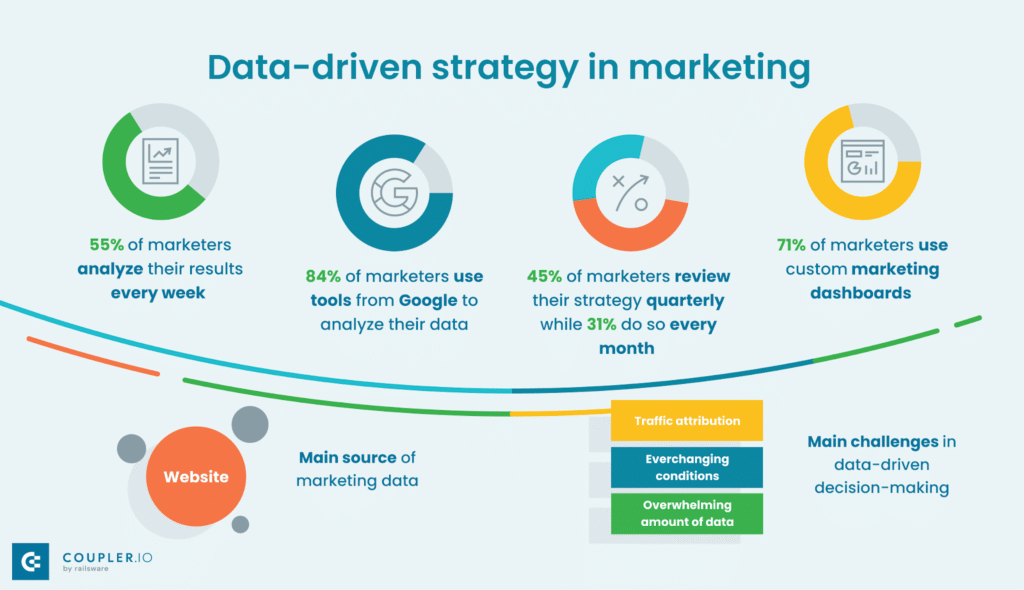
Use internal data from analytics tools, CRM systems or content performance dashboards and convert them into public insights.
Original Frameworks and Benchmarks
Create scoring models, comparison matrices or maturity frameworks. These formats are frequently cited in AI summaries.
Case-Study-Led Research
Combine storytelling with numbers. This works particularly well for B2B brands and agencies selling expertise.
Case Study 1: Indian SaaS Brand Using Research to Rank
A Pune-based B2B SaaS company analyzed anonymized onboarding data to identify drop-off patterns.
They published one research-driven article with charts and actionable takeaways. Within six months, the page earned over 40 organic backlinks and began appearing in AI-generated answers for onboarding benchmarks. Demo requests increased without paid promotion.
Case Study 2: Writing Agency Winning Clients Through Data
An Indian content agency compared AI-generated content versus human-edited content across 120 articles.
The research ranked for data-driven content queries and became their primary sales asset. Prospects approached them asking for research-led content strategies instead of per-word pricing. Lead conversion rates nearly tripled.
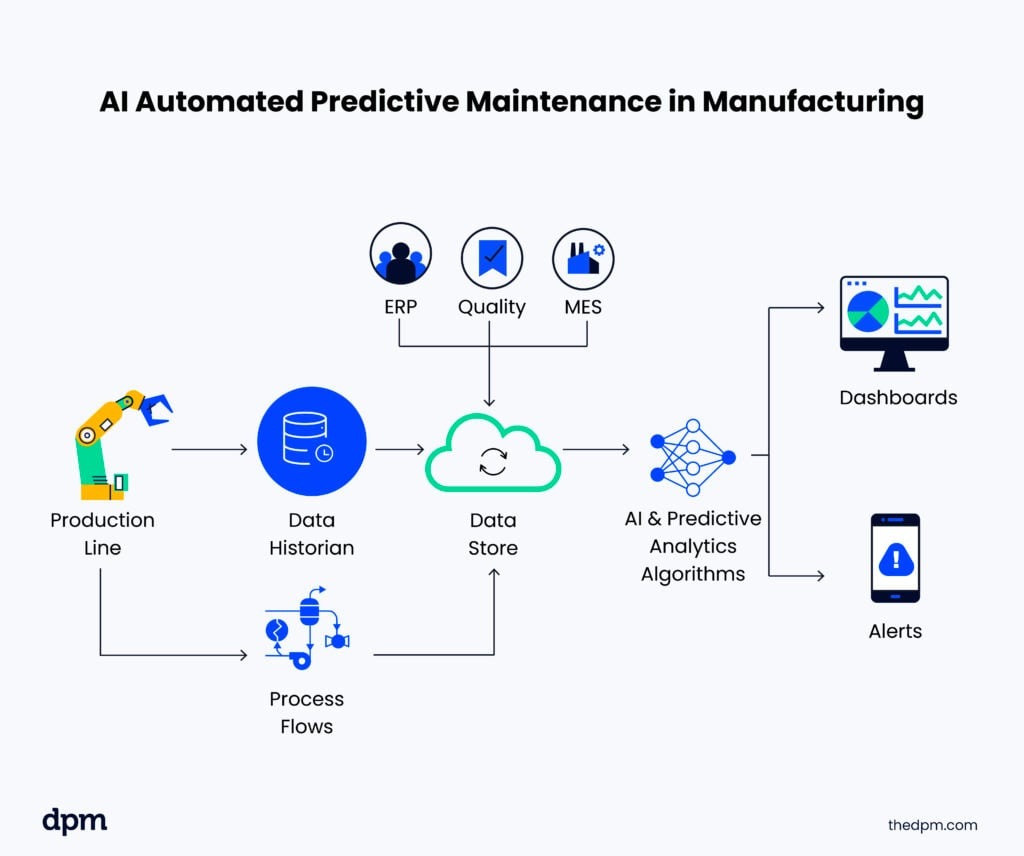
Research-Based Content Publishing Workflow
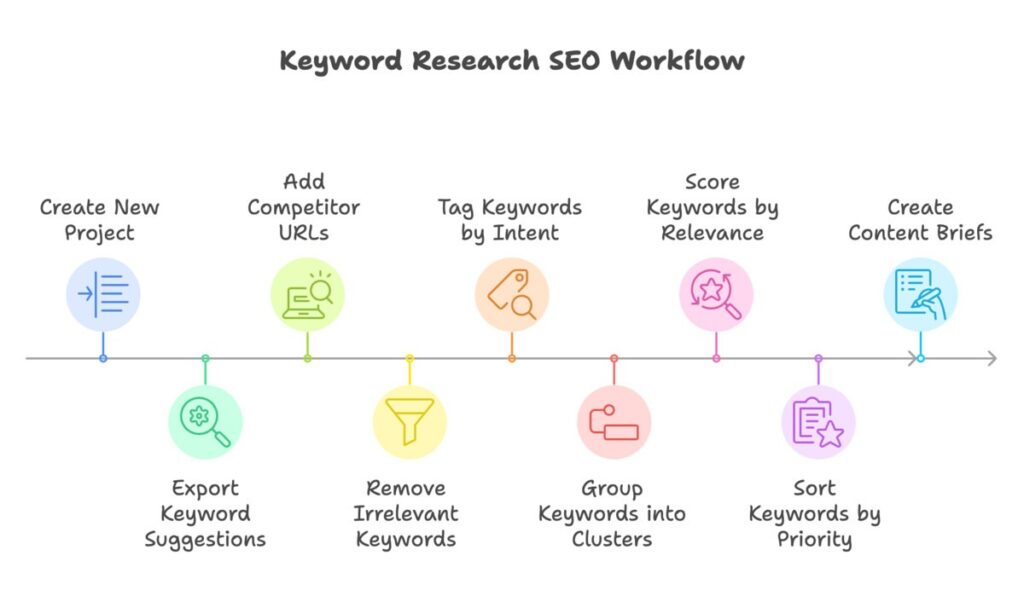
A scalable workflow that agencies can productize includes:
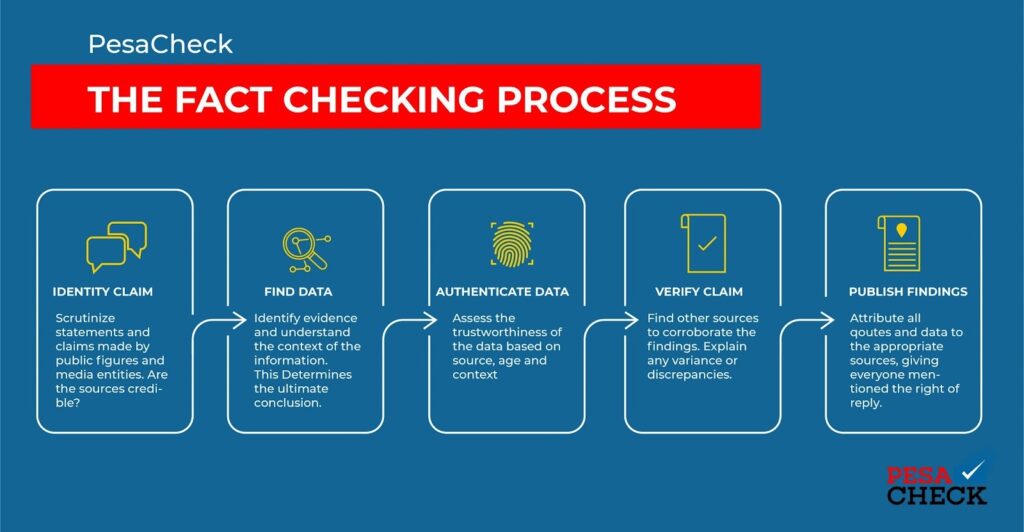
- Identify a question that search and AI cannot answer yet
- Collect data through surveys, internal analysis or client datasets
- Extract insights and implications, not just statistics
- Structure content for topical depth and clarity
- Distribute through founder content, PR outreach and AI-friendly summaries
Advanced insight. AI systems prefer content with clear conclusions, not neutral observations.
Conclusion
By 2026, research-based content marketing will be one of the strongest levers for organic growth. Search engines and AI systems reward brands that contribute knowledge instead of repeating it.
For writing agencies, research-driven content is more than a ranking strategy. It is a positioning tool that attracts premium clients, justifies higher retainers and builds long-term authority.
FAQs
1. What is research-based content marketing
It is content built on original data, surveys or analysis rather than rewritten information.
2. Does original research improve SEO rankings
Yes. It increases trust, earns backlinks and improves visibility in AI-generated search results.
3. How much data is needed for research-based content
Even small datasets can perform well if the insights are unique and relevant.
4. How often should brands publish research content
Two to four high-quality research pieces per year are often enough to outperform frequent blogging.
5. Can writing agencies sell research-based content as a service
Yes. Many agencies now productize reports, benchmarks and insight-led content retainers.