
Accuracy is becoming the new backlink.
As search evolves into AI-powered, generative experiences, content accuracy SEO is no longer optional, it’s foundational. By 2026, search engines won’t just rank pages; they’ll reuse, summarize, and cite information directly. If your content isn’t verifiably accurate, it won’t be surfaced, no matter how well-written it is.
For agencies, this shift creates a powerful positioning opportunity: accuracy-led SEO that builds trust with both algorithms and humans.
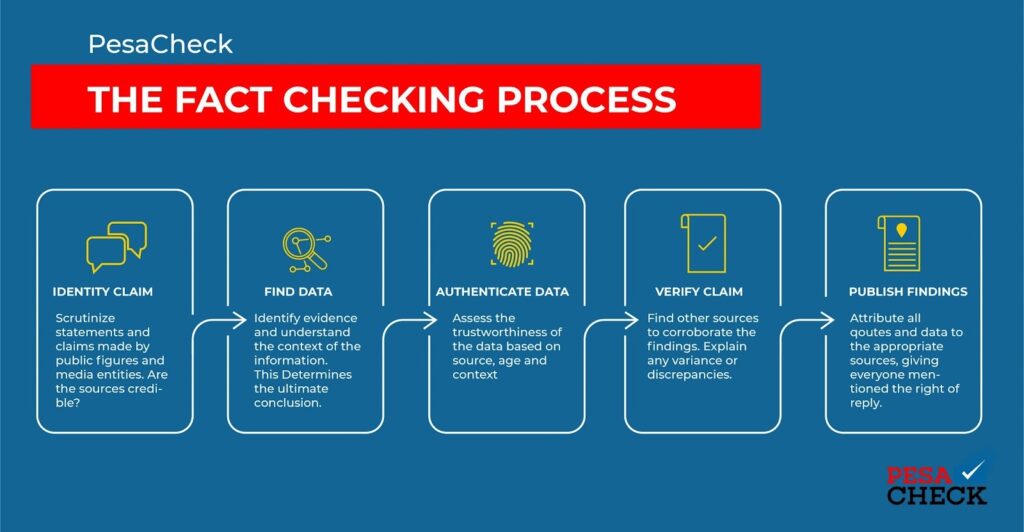
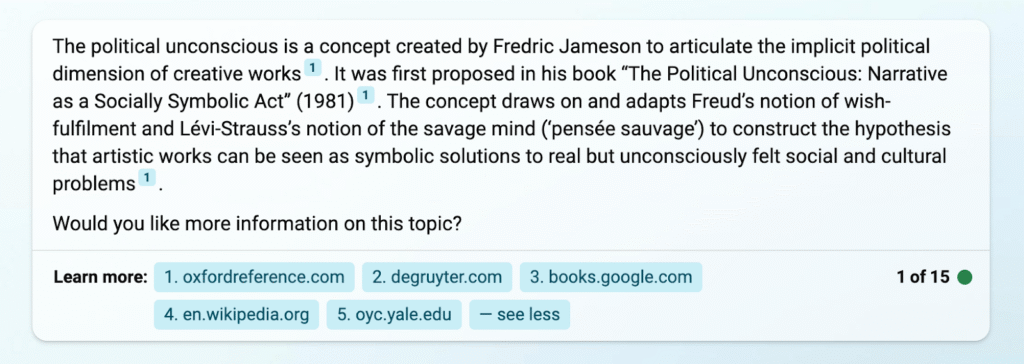
Why Accuracy Matters More Than Ever in SEO
Search engines are moving from “indexing pages” to evaluating reliability. With AI-generated answers becoming mainstream, platforms like Google increasingly rely on confidence scoring, how consistently a piece of information matches trusted sources across the web.
What most people don’t know (yet)
AI systems penalize content inconsistency, not just errors.
If your blog:
- Says one statistic in one article
- Uses a slightly different version elsewhere
- Or contradicts authoritative datasets
…it reduces your entity trust score, making your site less likely to be referenced in AI summaries, even if individual pages rank well.
By 2026, SEO success will depend on internal factual consistency, not just external optimization.
How Inaccurate Content Hurts Rankings
Inaccurate or poorly cited content rarely gets manual penalties. Instead, it suffers from silent suppression:
- Excluded from AI-generated answers
- Lower visibility in zero-click results
- Reduced E-E-A-T signals over time
For Indian audiences, especially in YMYL niches like finance, health, SaaS, and education, this impact is amplified due to regulatory and consumer trust sensitivity.
Types of Citations That Matter for SEO
Not all citations are equal. For fact-checking SEO, search engines look for verifiable and contextually relevant references.
1. Authoritative citations
Sources such as:
- Government portals (.gov.in)
- Academic or industry bodies
- Established platforms like Wikipedia (as a corroborative source, not primary)
These help anchor facts that AI models can confidently reuse.
2. First-party data citations (high-impact in 2026)
Original surveys, internal data, or anonymized client insights outperform third-party stats. AI systems increasingly reward unique data they haven’t seen repeatedly.
3. Experiential citations
Content that clearly states how the insight was derived, campaigns run, audits done, markets tested, signals real-world experience, which AI heavily prioritizes.
Citation Best Practices for 2026
To align with citations best practices in SEO:
- Place citations close to the factual claim
- Maintain consistent data across all content
- Update statistics annually (or sooner in fast-moving industries)
- Avoid over-citation; clarity matters more than volume
New insight:
AI search engines favor decisive accuracy. Content that confidently states verified facts performs better than hedged, vague writing, even if both are technically correct.
Tools That Support Content Accuracy SEO
Agencies should integrate accuracy checks directly into workflows.
Must-use tools
- AI fact-checking layers inside content workflows
- Structured data validators for consistency
- Knowledge graph auditing tools
- Editorial checklists for citation freshness
In India, agencies working with fintech, healthtech, and edtech clients are already being evaluated on accuracy SLAs, not just traffic growth.
Case Study 1: Indian Fintech Blog Turnaround
A Mumbai-based fintech publisher saw traffic stagnate despite publishing 4–5 blogs weekly.
What changed:
- Reduced output by 40%
- Added authoritative citations and updated outdated stats
- Standardized financial definitions site-wide
Result:
Within 4 months, their content began appearing in AI summaries for “best savings options in India,” driving high-intent traffic despite fewer posts.
Case Study 2: B2B SaaS Agency Winning Trust Signals
A Bengaluru content agency repositioned its offering around accuracy-led SEO:
- Mandatory fact-checking workflows
- Founder-reviewed insights
- Clear sourcing methodology
Outcome:
They closed two enterprise SaaS clients specifically citing trustworthiness and depth, not pricing or volume.
Why This Matters for Writing & SEO Agencies
Most agencies sell:
“More content. More keywords. More traffic.”
Smart agencies will sell:
“Accurate content that AI trusts enough to recommend.”
This distinction becomes critical as clients care less about rankings and more about visibility inside AI-generated answers.
By 2026, agencies that master content accuracy SEO will command higher retainers because:
- Accuracy scales trust
- Trust scales AI visibility
- AI visibility drives conversions
Conclusion
In the AI-first search era, accuracy is visibility. Content that is correct, consistent, and well-cited doesn’t just rank, it gets reused, remembered, and recommended.
For agencies, this is the edge most competitors haven’t caught onto yet.
FAQs: Content Accuracy SEO
1. What is content accuracy SEO?
It’s the practice of ensuring content is factually correct, consistent, and verifiable to improve search and AI visibility.
2. Do citations really affect rankings?
Indirectly, yes. Citations strengthen trust signals that influence AI summaries and long-term visibility.
3. Is fact-checking necessary for non-YMYL niches?
Yes. AI search applies trust scoring across all industries, not just finance or health.
4. How often should content be updated for accuracy?
At least once a year, or sooner for data-driven topics.
5. Can agencies charge more for accuracy-led SEO?
Absolutely. Clients value credibility and conversions more than raw traffic.